
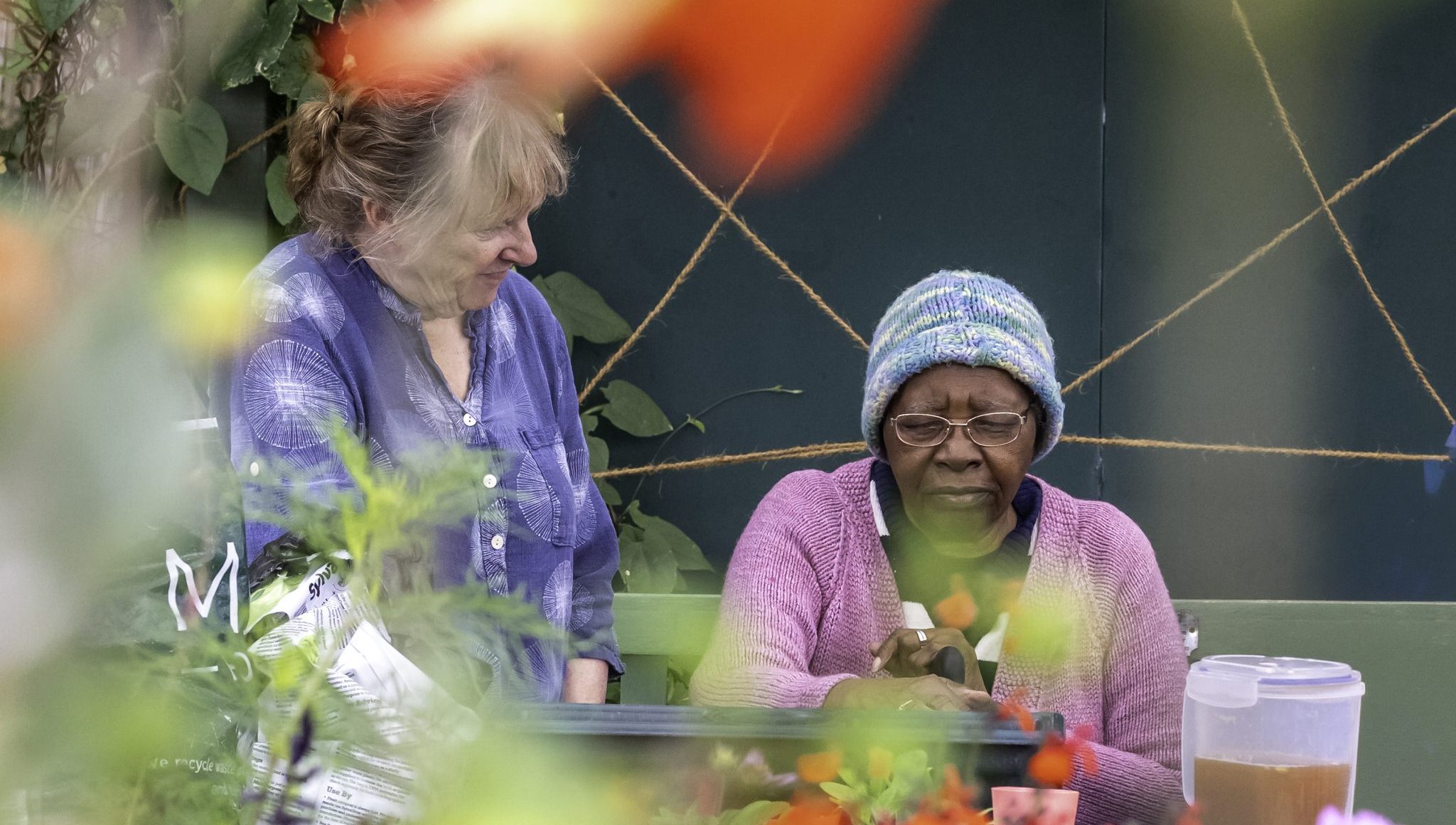
Last year, for World Alzheimer’s Month, we explored the therapeutic benefits of gardening for people living with Alzheimer’s.
This year, we’re following up with practical ways to make a garden more dementia-friendly – whether you’re starting fresh or adapting a garden that’s already there.
Check out our tips below:
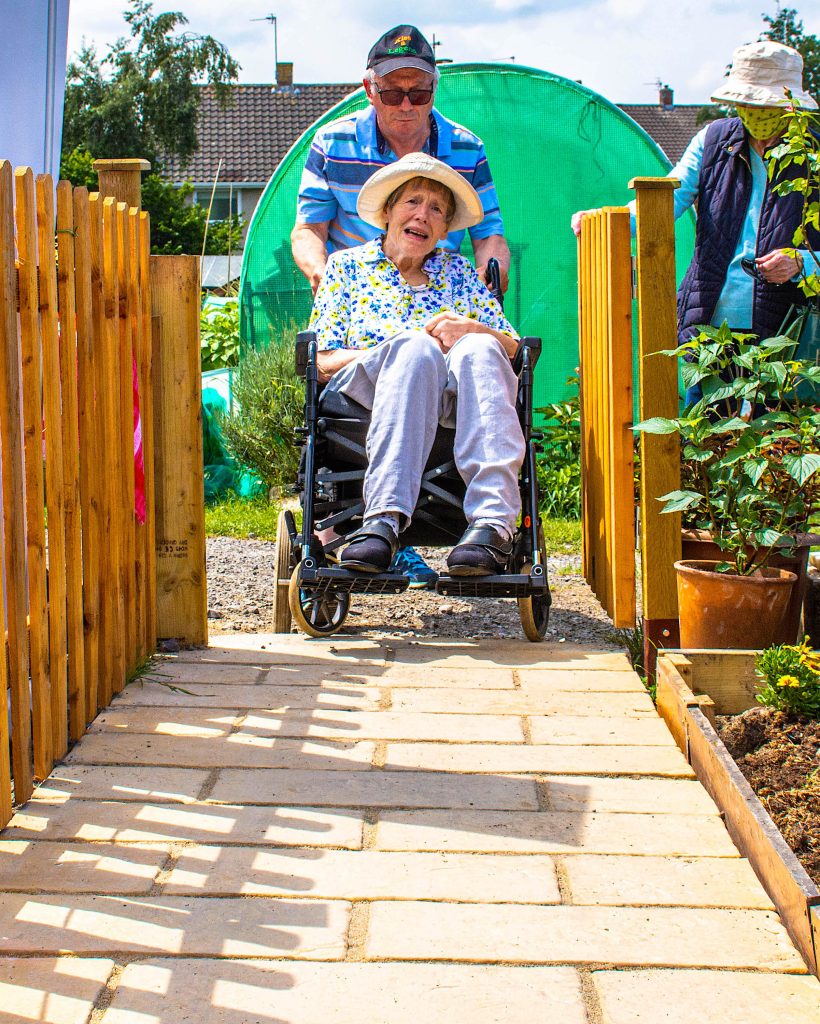
Simple Paths
Flat, wide paths with no dead ends make a garden easier and safer to explore.
Stick to one colour, ideally pale, so paths are easy to follow, and keep them free of trip hazards.
Raised Beds
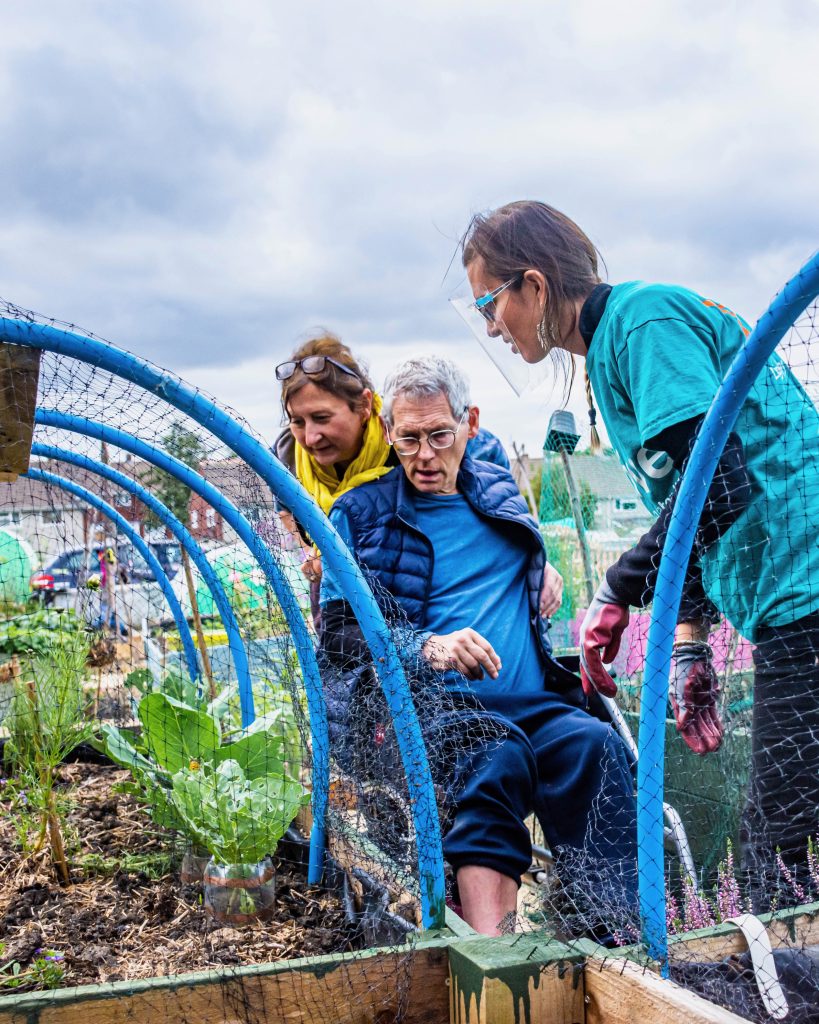
Raised beds let people garden standing up, without needing to kneel or bend.
Add posts at the corners so there’s something sturdy to hold onto for balance and support.
Planting with Care
Keep planting safe – avoid anything toxic or thorny.
Plant for reminiscence: scented and familiar favourites like lavender, sweet peas and roses can spark memories from years gone by.

Make it sensory too – soft leaves like lamb’s ear for touch, grasses and wind chimes for sound, herbs for smell – so all the senses have something to engage with.
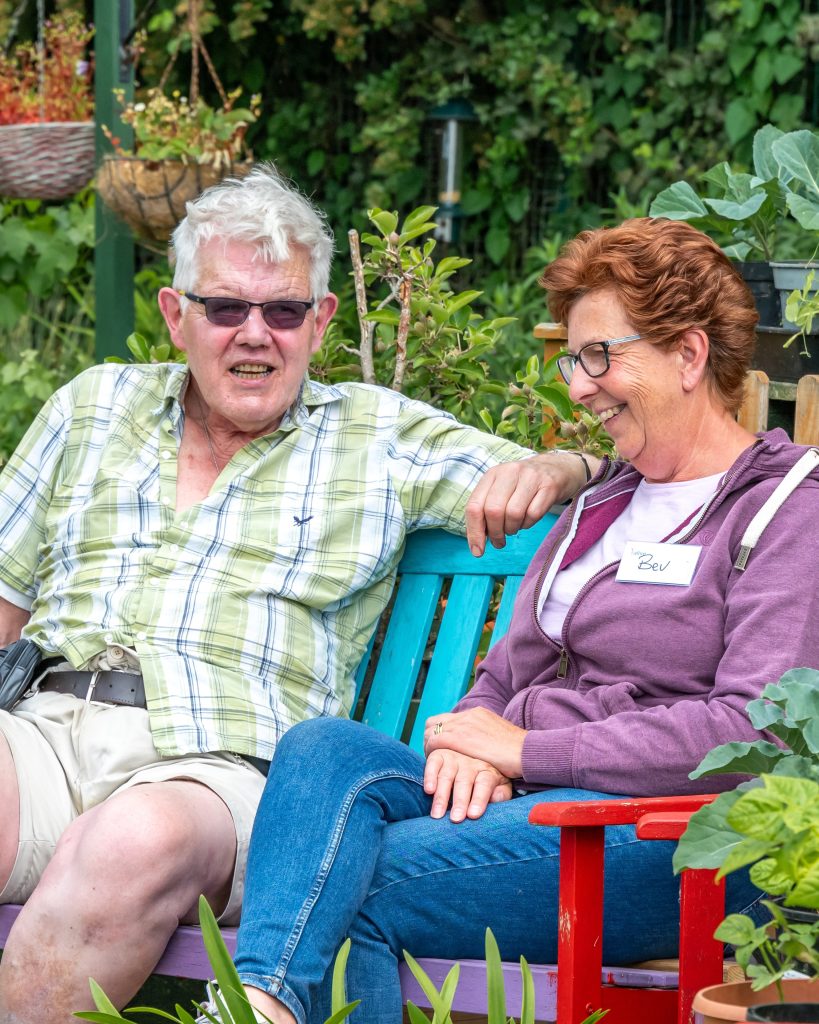
Sturdy Seating
Choose seating with both arm and back support, so it’s easy to sit down and get back up safely.
Space it regularly throughout the garden, so there’s always somewhere close by to rest.
Welcoming Wildlife
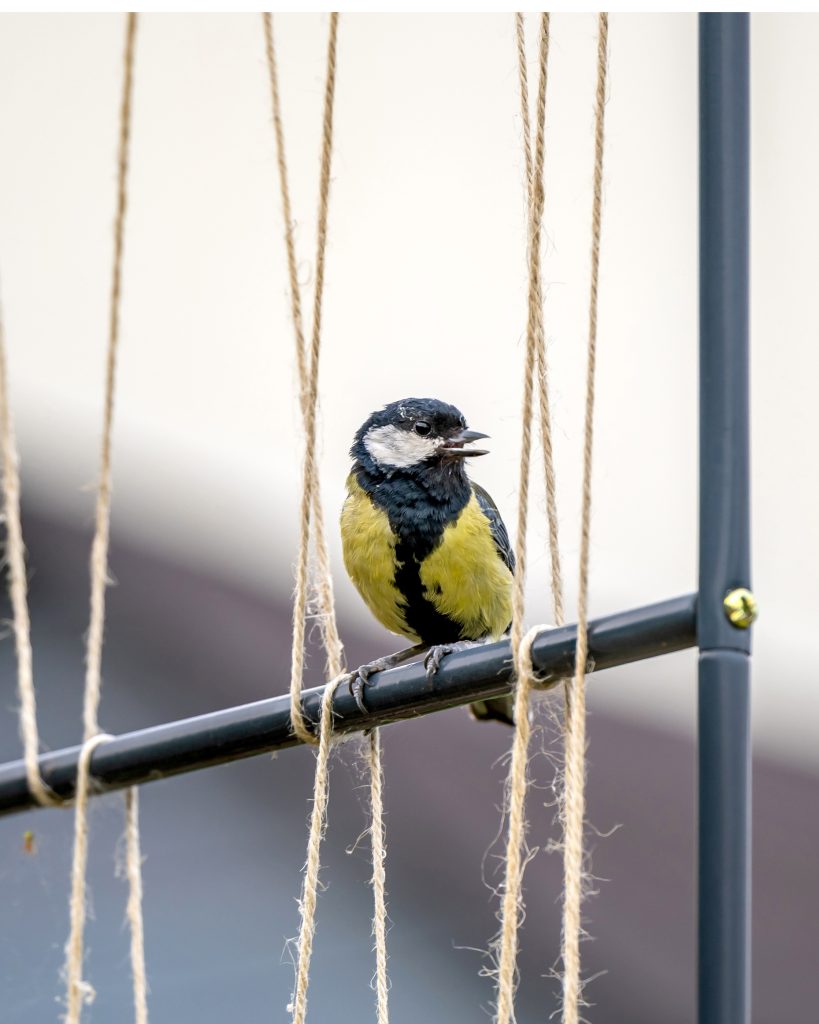
Encourage birds, bees and other wildlife into the garden.
A bird feeder with a seat nearby gives people a simple, calming activity – sitting and watching.
Different Areas
Everyone’s needs change day to day.
A mix of quiet corners, hands-on working areas, and social spaces means the garden can flex to suit how someone’s feeling on any given day.
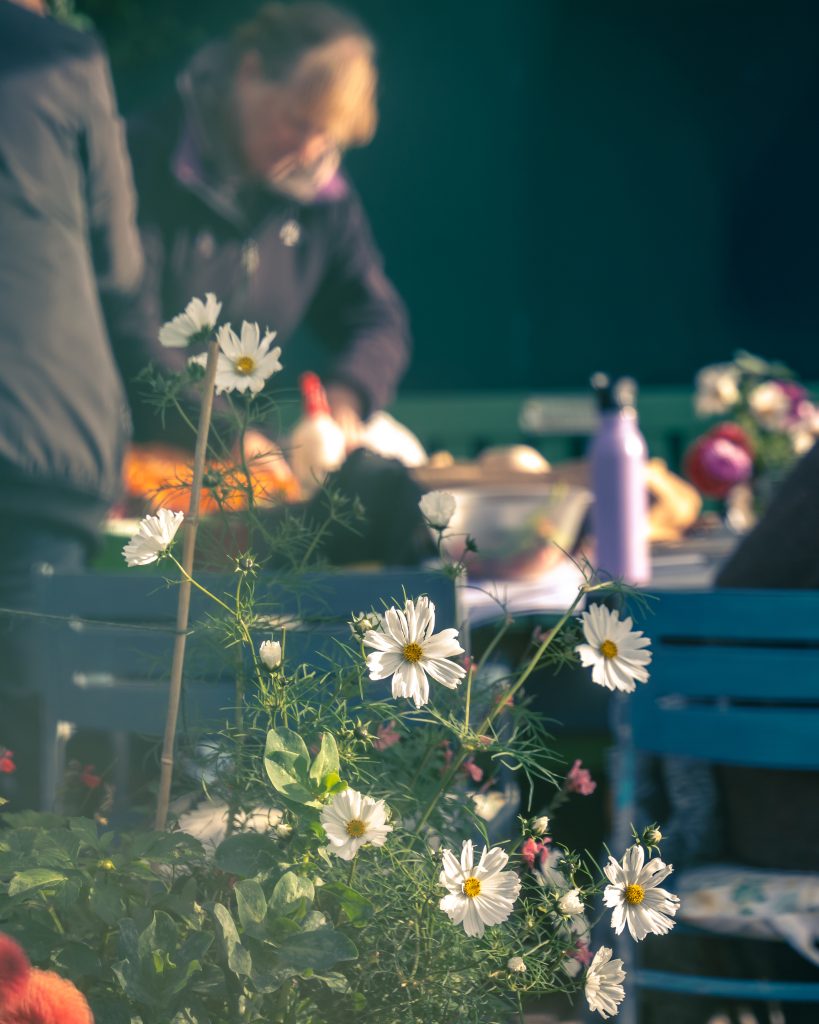
Encourage meaningful activity by scattering full watering cans around, or leaving things out on tables that need doing — small, purposeful tasks that invite people to get involved.
Shade & Shelter
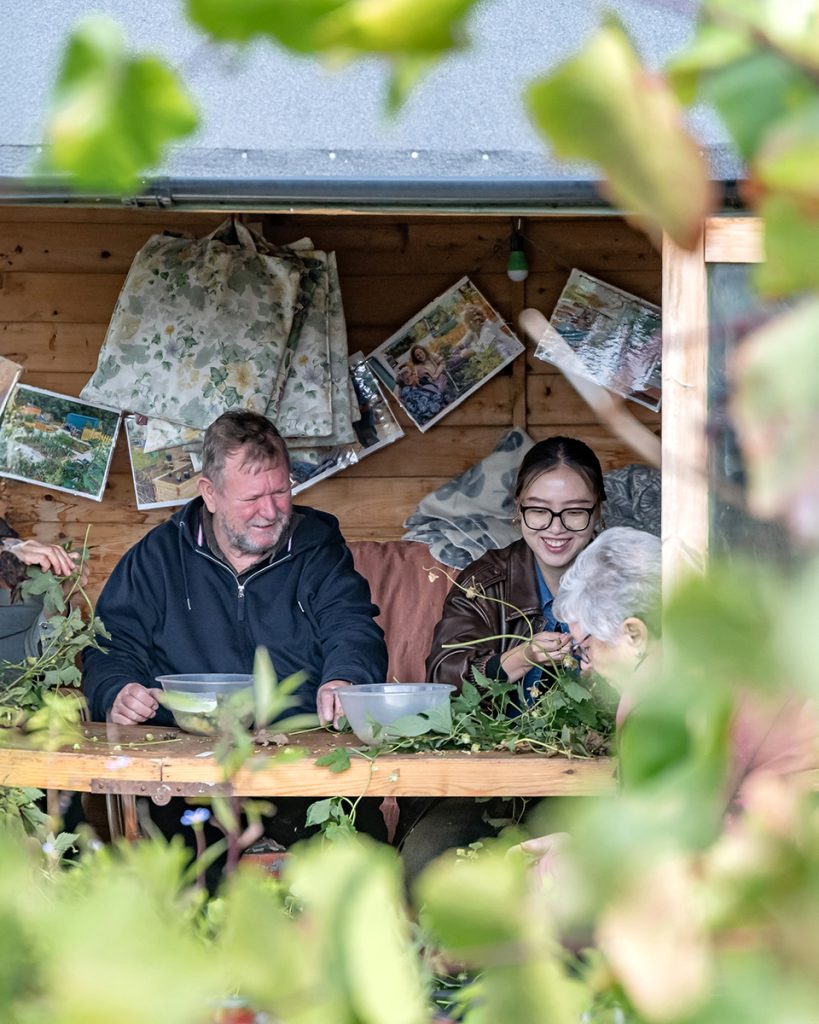
A pergola, tree canopy or simple awning gives people a reason to stay outside longer.
Consider adding shelter from strong sun or a sudden rain shower.
Simple Signage
Clear, simple signage helps people find their way and feel confident exploring independently.
Use large text alongside pictures or symbols, and keep wording short and familiar.
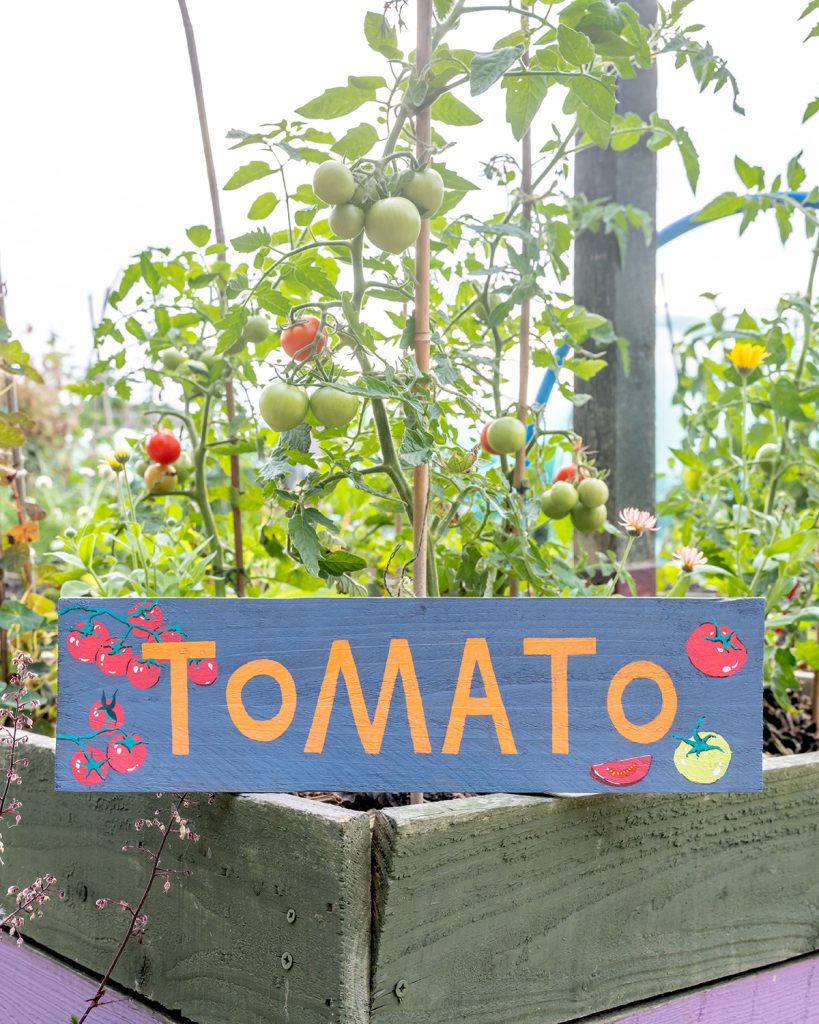
A bright pot, an arch, a distinctive plant – can work just as well as signs for helping someone find their way back.
At Alive, we’ve been providing dementia-friendly gardening sessions for over a decade.
Find out more and details on joining our sessions here.